
Florida's Flood Disclosure Law: What Sellers Must Tell Buyers in 2026
Written by Kim Donahue, REALTOR® with Medway Realty | 30+ Years of Real Estate Experience · Updated November 11, 2026
Since October 1, 2025, every seller of residential real estate in Florida has been required to complete a flood disclosure form and provide it to the buyer at or before the time the sales contract is signed. The law, SB 948, added three yes-or-no questions about the property's flood history, and it applies to single-family homes, condos, and new construction alike. If you are selling in Sarasota, Manatee, or Charlotte County, here is what the form asks, when you must hand it over, and what happens if you do not.
Do I have to tell a buyer if my home flooded?
Yes. Florida Realtors Form FD-2, updated in October 2025, is the statutory flood disclosure form, and it begins with a warning that homeowners insurance does not cover flood damage and the buyer should discuss separate flood insurance with an agent. Then come the three questions: whether you know of any flooding that damaged the property while you owned it, even if you never filed a claim; whether you have filed a flood insurance claim on the property, including with the National Flood Insurance Program; and whether you received assistance from any source to repair or remediate flood damage, not just federal assistance.
When does the buyer have to receive the disclosure?
The form must be delivered at or before the time the sales contract is executed. That makes it part of the pre-contract paperwork, not something that can wait until inspection or closing. In practice, your listing agent folds the completed form into the offer and contract package, and both the seller and buyer see it before anyone signs on the dotted line.
What happens if I do not provide the disclosure?
The buyer can cancel the contract with written notice of cancellation, and that right lasts until closing. After closing, the practical remedies shift to civil claims, such as fraudulent misrepresentation, if a buyer later discovers a loss tied to something that should have been disclosed. The stakes are straightforward: an honest answer up front protects both sides and costs far less than a dispute later. Your answer does not kill a sale; it gives the buyer real information to make an informed decision.
Why does this matter so much on Florida's Gulf Coast?
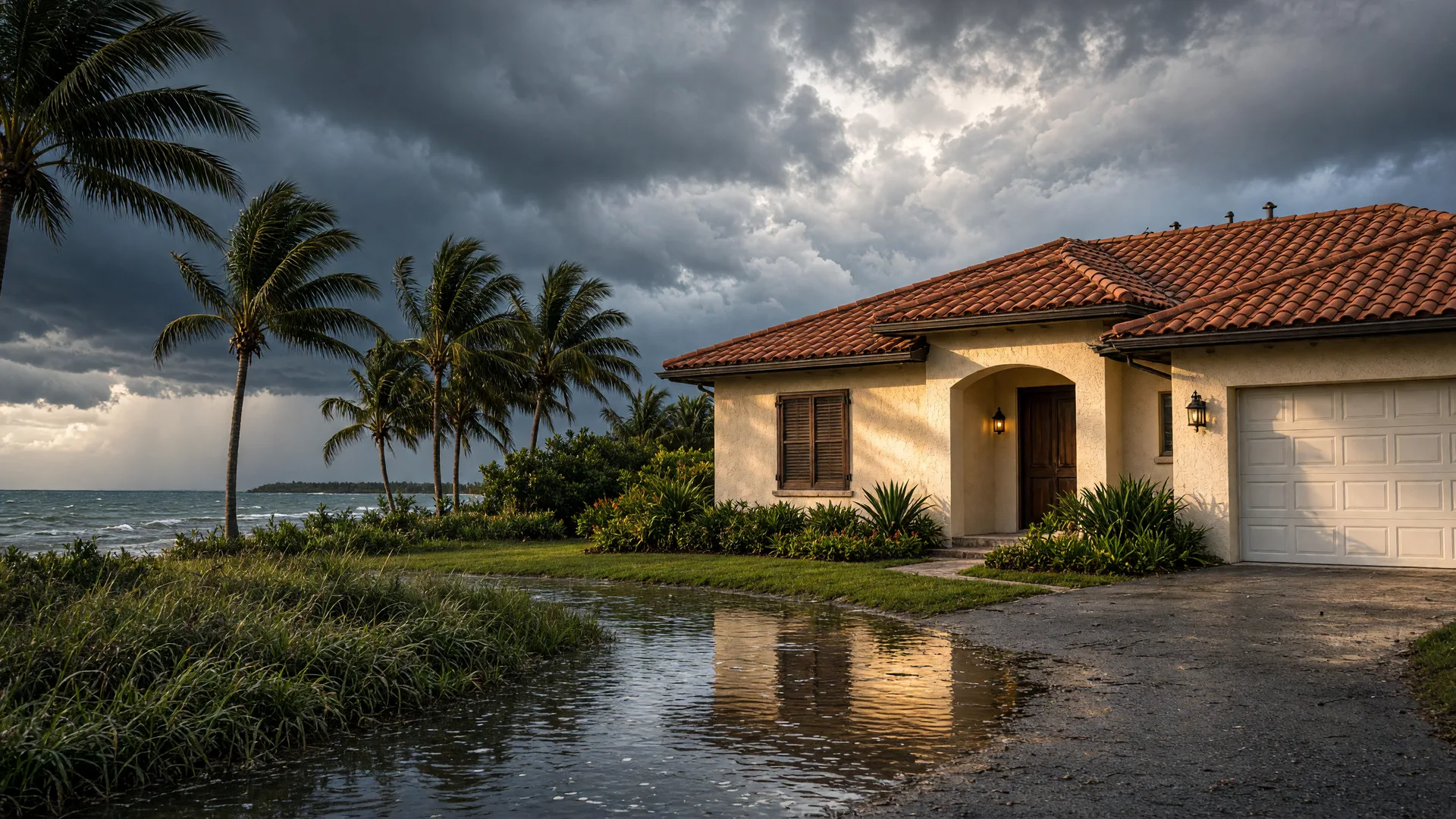
Flood risk is uneven across the three counties. Most of Port Charlotte sits inside FEMA special flood hazard areas, and large shares of homes throughout Charlotte County, and in flood-zone pockets of Venice, Englewood, Punta Gorda, and Sarasota's barrier islands, face real flood exposure. At the same time, plenty of Gulf Coast homeowners have seen standing water, storm surge, or minor flooding without ever filing a claim. The new disclosure is designed to surface exactly that history, because a claim record and plain water in the yard tell very different stories. For a fuller picture of how flood zones and insurance work together, my guide to flood zones and flood insurance explains the FEMA zones buyers keep asking about.
Does a flood history mean the home cannot be sold?
No. Flood history is common on the Gulf Coast, and buyers today expect to see it in the paperwork. What hurts a transaction is discovering the history late, after a buyer has committed emotionally and financially. When a home is presented honestly, buyers factor the risk into their insurance budget and their offer, and the deal moves forward with both sides clear-eyed. Sellers who can pair the disclosure with documentation of improvements, like impact windows, a raised HVAC, a newer roof, or flood venting, give buyers a real risk picture instead of a blank line.
What should a seller gather before listing?
- A signed copy of the completed Form FD-2 with honest answers to all three questions.
- An elevation certificate if one exists, since it tells a buyer exactly where the home sits relative to flood levels.
- Records of any repairs or remediation after water events, including dates and contractors.
- Documentation of flood-related improvements: impact-rated glass, raised utilities, new roof, flood vents.
- A claims history report, sometimes called a CLUE report, from your insurer if you want to be proactive.
I treat the flood disclosure as one more way to make a transaction fair. When I counsel sellers across Sarasota, Manatee, and Charlotte Counties, we review the form together before the home is marketed, so nothing surfaces as a surprise mid-contract. If you are preparing a home for sale and want to walk through the disclosure, the inspection list, or the pricing conversation, call me at (941) 724-2587 or reach out through my contact page. I am Kim Donahue, a REALTOR with Medway Realty, Florida license SL3352997, and after more than 30 years of Florida transactions I can help you present your home accurately and protect your position at the same time.