
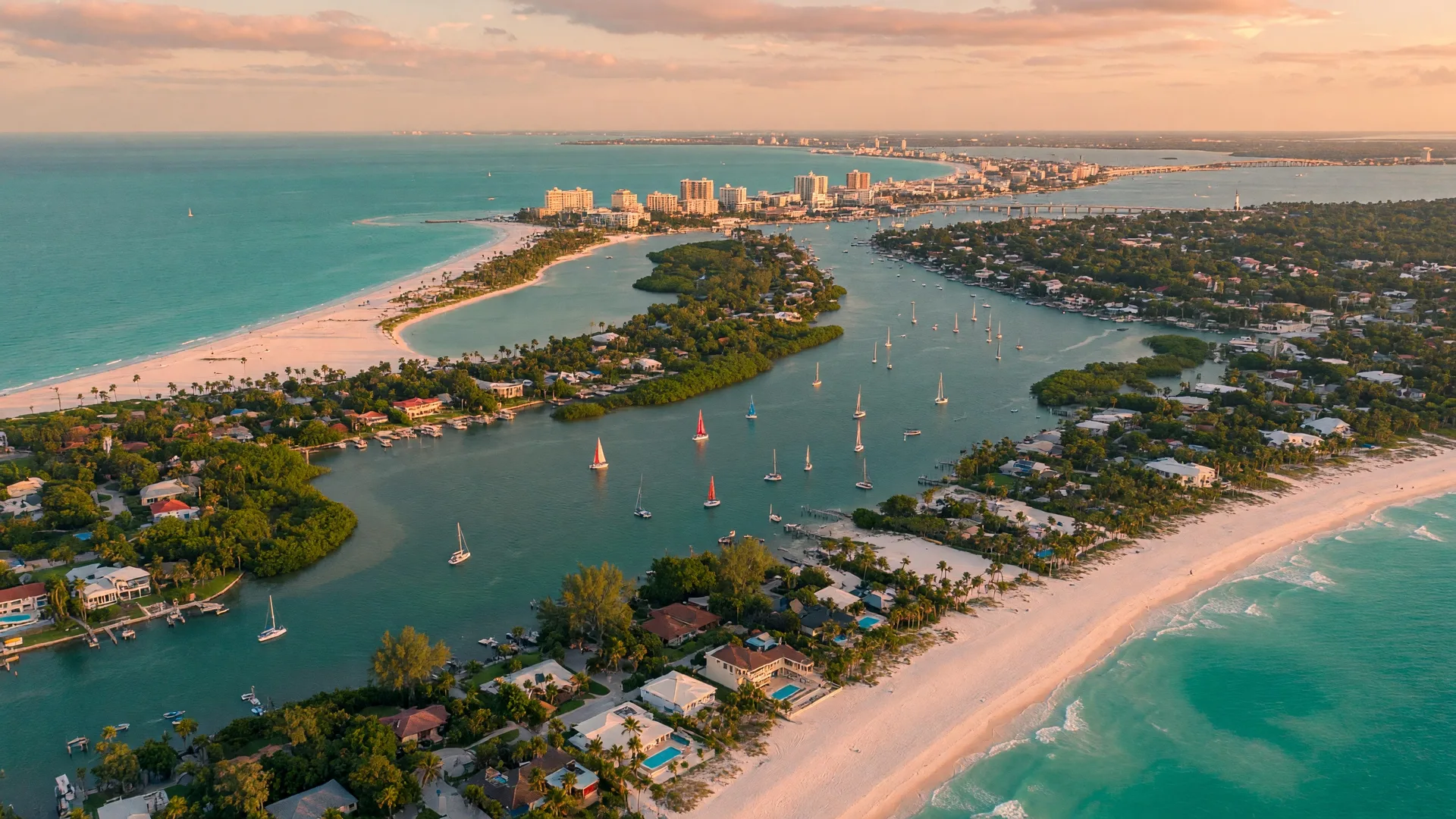
Moving from Pennsylvania to Sarasota, Florida: What You Need to Know
Written by Kim Donahue, REALTOR® with Medway Realty | 30+ Years of Real Estate Experience · Updated July 12, 2026
Pennsylvania residents are among the most consistent relocators to Southwest Florida, and the reasons are practical. High state income taxes, harsh winters, rising property costs, and the appeal of Gulf Coast living all push in the same direction. Whether you're leaving Philadelphia, Pittsburgh, the Lehigh Valley, or a small town in central PA, the move to Sarasota represents a genuine shift in how you'll live, spend your time, and manage your finances. Here's what you need to know before making that transition.
Why are so many Pennsylvania residents moving to Sarasota?
The draw starts with money and weather, but it goes deeper than that. Pennsylvania's state income tax ranges up to 3.07% on most income, and combined with local wage taxes in cities like Philadelphia, the tax burden is real. Florida has no state income tax — period. For someone drawing from retirement accounts, pensions, or investment income, that difference alone can mean thousands of dollars in annual savings.
Then there's the climate. Pennsylvania winters are long, cold, and gray. December through March in the Philadelphia and Pittsburgh metro areas means freezing temperatures, ice, snow, and the general fatigue that comes with seasonal darkness. In Sarasota, those same months bring daytime highs in the mid-70s, sunshine, and outdoor living that feels genuinely effortless.
But the lifestyle shift matters just as much as the financial one. Sarasota offers beaches, outdoor dining, year-round recreation, and a cultural scene — the Ringling Museum, Sarasota Opera, and a robust festival calendar — that surprises people who assume Florida is only about the beach. For a broader look at what daily life costs here, see my guide to the cost of living in Sarasota.

Cost of living: Pennsylvania vs. Sarasota
The financial comparison is more nuanced than "Florida is cheaper." Here's what I see most often when Pennsylvania buyers run the numbers:
- State income tax: The elimination of Pennsylvania's 3.07% income tax (and Philadelphia's additional local wage tax of nearly 4%) is the single biggest financial win. For a household earning $150,000, that's roughly $4,500 to $10,000 or more back in your pocket each year.
- Property taxes: Pennsylvania property taxes vary widely by county and school district. In the Philadelphia suburbs, effective rates can exceed 2%. In Sarasota County, the homestead exemption keeps rates moderate for permanent residents — but you need to understand how the exemption works before you buy. See my Florida homestead exemption guide for the details.
- Homeowners insurance: This is the cost that catches Pennsylvania relocators off guard. Florida premiums are significantly higher than Pennsylvania averages, driven by wind risk and the state's insurance market history. Depending on location and flood zone designation, annual premiums can range from $3,000 to $10,000 or more. I walk through these numbers in detail in my Florida homeowners insurance guide.
- Utilities: Your electric bill will be higher in Florida, primarily because of year-round air conditioning. Budget $200 to $400 per month for a typical single-family home, with the higher end during summer. Pennsylvania heating costs in winter partially offset this, but Florida cooling is still the bigger expense.
- Everyday expenses: Groceries, dining, and gasoline are roughly comparable between Pennsylvania and the Sarasota area. Healthcare costs vary but are generally in line with national averages, and Sarasota has a well-developed healthcare infrastructure.
The net result for most Pennsylvania relocators is a meaningful financial improvement — the income tax savings alone are significant, and housing at comparable quality is often priced below what you'd pay in the Philadelphia or Pittsburgh metro areas. For a full breakdown of monthly homeownership costs beyond the mortgage, see my guide to the true monthly cost of buying a home in Florida.
Florida weather vs. Pennsylvania seasons: what to actually expect
If you're leaving Pennsylvania, you already know what you're escaping — ice storms, gray skies, and the particular exhaustion of a February that won't end. What you may not fully appreciate is what Florida weather actually feels like year-round.
Winter (December through February): This is Sarasota at its best. Daytime highs in the low to mid-70s, cool evenings, low humidity, and virtually no reason to own a heavy coat. You'll spend more time outdoors than you ever did in a Pennsylvania February. It's the season that makes people say, "I should have done this years ago."
Spring (March through May): Warm, increasingly humid, and genuinely beautiful. Temperatures climb into the 80s, the days are long, and outdoor activities — kayaking, cycling, beach days — are effortless. This is peak season in Sarasota, and the energy in the area is lively.
Summer (June through September): This is the adjustment period for most Pennsylvania relocators. It's hot, it's humid, and temperatures regularly reach the mid-90s. Daily afternoon thunderstorms are a fact of life — they typically arrive between 2 and 5 PM, last 30 to 60 minutes, and then clear. You'll run your air conditioning constantly, plan outdoor activities for mornings or evenings, and learn to check the radar before heading to the beach. Most people adapt within their first summer, but it's worth knowing before you arrive that this isn't a year-round paradise climate — it's a subtropical climate with a real summer.
Fall (October through November): The过渡 back to comfortable weather. Humidity drops, temperatures ease into the low 80s, and the area starts coming alive with seasonal events. This is often when new residents feel the most settled.
The other climate factor worth mentioning is hurricanes. The Sarasota area is in a hurricane zone, and while direct hits are infrequent, preparation is part of living here. Budget for storm shutters or impact windows, understand your insurance coverage thoroughly, and have a plan in place before June arrives each year. For a look at the broader Northeast-to-Sarasota adjustment, my guide to moving from the Northeast to Sarasota covers this in more detail.
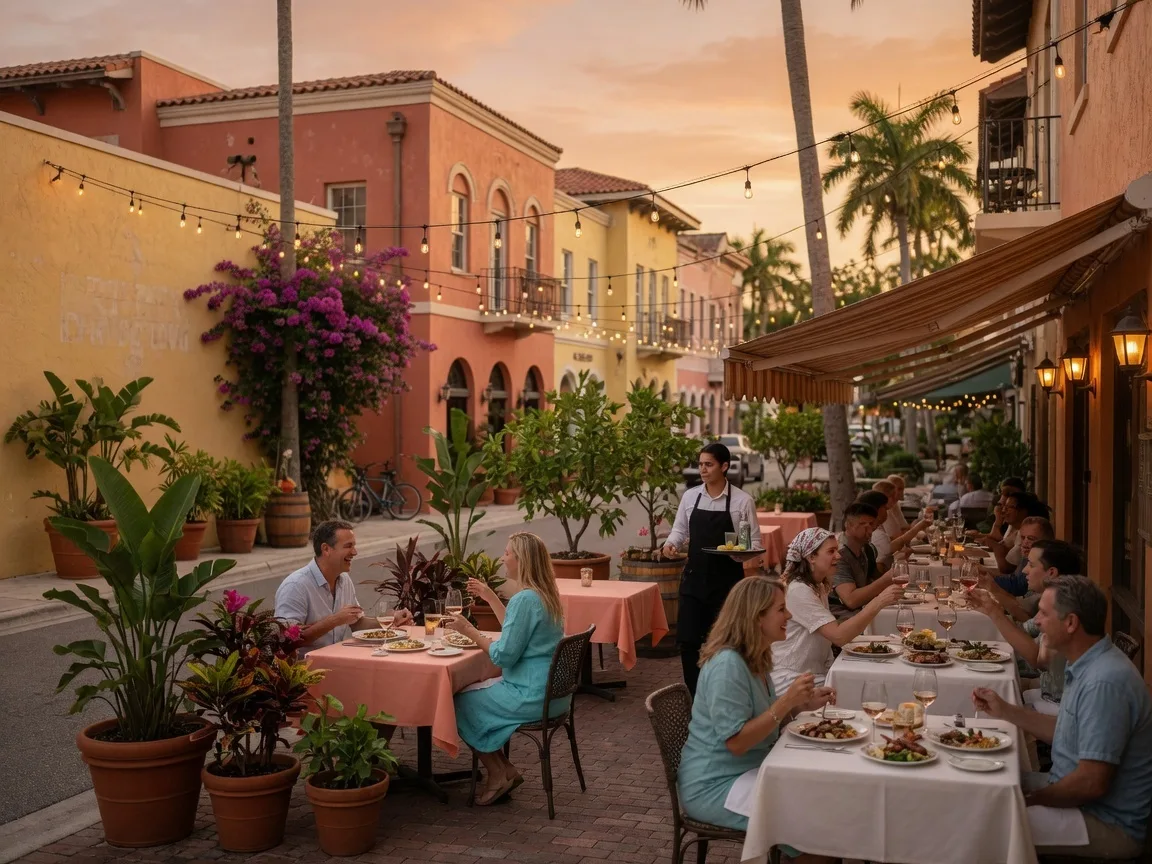
The home buying process in Florida: what Pennsylvania buyers should know
Buying a home in Florida is a well-established process, but there are Florida-specific details that matter for out-of-state buyers. Here's what I walk every Pennsylvania buyer through:
- Flood zones: Every property in Florida has a flood zone designation, and it affects both insurance costs and long-term risk. A home in Zone X (minimal flood risk) will have very different insurance requirements than one in Zone AE (high-risk flood plain). Understanding this before you buy — not during the inspection period — is critical. I cover this in detail in my first-time home buyer's guide.
- HOA and condo associations: Many Florida communities have specific rules, reserve requirements, and fee structures that affect your monthly costs. For condominiums, post-Surfside legislation has increased reserve funding requirements, which can mean higher fees or special assessments. Reviewing association documents is part of your due diligence, and it's worth doing carefully.
- Inspections: Florida homes face different wear patterns than Pennsylvania homes. Roof age, AC condition, termite history, and moisture intrusion are all things to pay close attention to. The sun, humidity, and salt air take a different toll on a home than Pennsylvania's freeze-thaw cycles. I always recommend thorough inspections, especially for older homes.
- Insurance: Getting homeowners insurance in Florida can take longer than you expect, especially for older homes or properties in certain flood zones. Start the insurance conversation early — before you're under contract if possible — so you know what the coverage will actually cost. See my full Florida homeowners insurance guide.
- Title and closing: Florida closings are handled by title companies or attorneys, and the process is well-established for out-of-state buyers. Remote closings with power of attorney are common and well-understood by local title companies. I coordinate this for my clients so the details don't fall through the cracks.
- The homestead exemption: If you're making Florida your primary residence, the homestead exemption provides meaningful property tax relief and asset protection. Understanding the eligibility requirements and timeline matters — especially if you're buying before selling your Pennsylvania home. See my homestead exemption guide.
Popular Sarasota neighborhoods for Pennsylvania transplants
Pennsylvania buyers tend to gravitate toward specific communities, depending on their priorities — budget, lifestyle, proximity to beaches, and whether they prefer new construction or established neighborhoods. Here are the areas I see most often:
- Lakewood Ranch: The most popular destination for families and active adults who want a master-planned community with excellent amenities — golf, tennis, swimming, social clubs, and a well-maintained environment. It's structured in a way that makes building a new social network easier, which matters when you've left a lifetime of connections behind. See my full Lakewood Ranch vs. Sarasota comparison.
- Venice and South Venice: Popular with retirees and empty nesters who want a quieter coastal pace, a walkable historic downtown, and access to some of the area's best beaches. Venice offers genuine value relative to Sarasota proper, with an aging-in-place appeal that Pennsylvania downsizers appreciate. See my guide to living in Venice.
- Bradenton and Lakewood Ranch South: A strong fit for buyers who want proximity to Tampa, growing retail and dining options, and a range of housing from established neighborhoods to newer construction. Bradenton's downtown waterfront along the Manatee River has transformed in recent years. See my guide to living in Bradenton.
- Parrish and North River Ranch: A fast-growing area in Manatee County with newer construction, more space between homes, and price points that are more accessible than Lakewood Ranch. It's drawing families who want room to spread out without sacrificing community amenities.
- Sarasota proper — The Meadows, Gulf Gate, Palmer Ranch: Established neighborhoods with mature landscaping, good access to downtown Sarasota, and a mix of single-family homes and maintenance-free options. These areas appeal to buyers who want character and convenience over new construction.
- North Port and Port Charlotte: The most affordable entry points in the Sarasota-to-Charlotte corridor. Buyers relocating on a tighter budget or looking for space to grow find real value here, particularly in newer communities like Wellen Park.
For a complete overview of all the communities in the area, browse my neighborhood guides. And if you're considering a 55-plus community specifically, see my guide to active adult communities in Sarasota, Manatee, and Charlotte Counties.
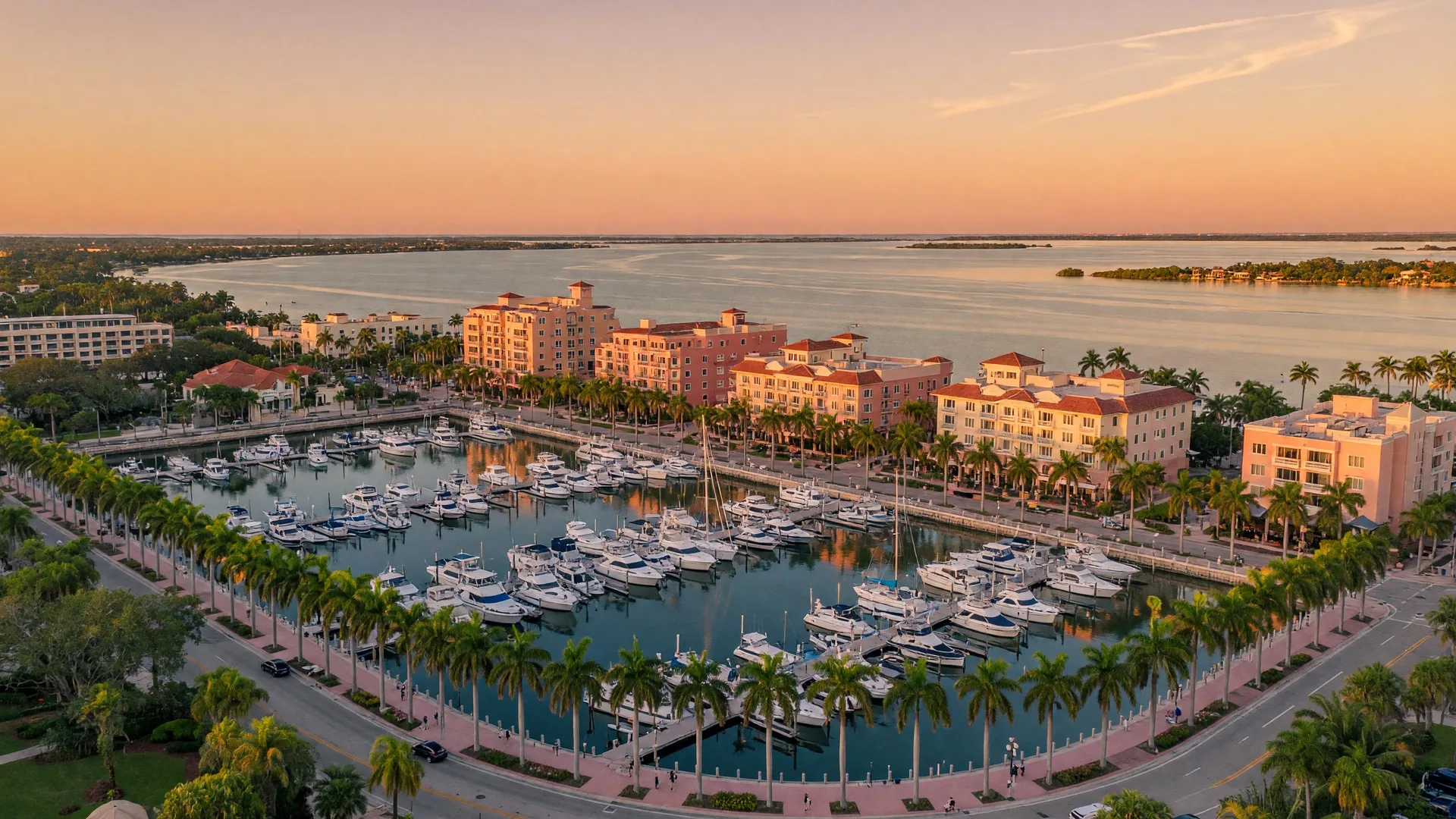
How to sell your Pennsylvania home while buying in Sarasota
The biggest challenge in a long-distance relocation isn't buying the Florida home — it's coordinating the sale of your Pennsylvania home with the purchase. Most Pennsylvania sellers don't want to carry two mortgages, and they don't want to feel rushed into a Florida decision because their Pennsylvania buyer is closing fast. Here's how I help clients manage this:
- Price your Pennsylvania home accurately from day one. The first 7 to 10 days on market determine how the home is perceived. Overpricing leads to sitting, which leads to price reductions, which leads to worse offers. My approach to pricing is grounded in actual comparable sales — not guesses. See my guide to pricing your home right from day one.
- Coordinate timing between the two transactions. I work with your Pennsylvania agent (or help you find one) to sequence the sale and purchase so the timeline works. Options include negotiating a rent-back after your Pennsylvania sale, using a bridge loan, or temporarily renting in Sarasota while you home-shop. The goal is to never feel backed into a corner.
- Prepare your Pennsylvania home for market. Decluttering, minor repairs, and staging matter — even in a seller's market. A well-prepared home sells faster and for more money. For a comprehensive breakdown of selling costs, see my guide to what selling a home actually costs.
- Use video walkthroughs for Florida homes before you visit. If you can't be in Sarasota for every listing that interests you, I provide detailed video walkthroughs with honest commentary — not just the highlights. This lets you narrow your options efficiently before you fly down for a focused visit.

Common mistakes Pennsylvania buyers make when purchasing in Florida
Having helped many Pennsylvania buyers purchase homes in the Sarasota area, I see the same mistakes repeatedly. Avoiding them saves time, money, and stress:
- Buying based on a single visit during peak season. Visiting Sarasota in February and deciding to buy is like judging Pennsylvania by a perfect October weekend. You need to understand what July feels like, what the summer thunderstorms are actually like, and how the area changes between high season and the quieter months. Spend at least a week here during the summer before you commit.
- Ignoring flood zone designations. A beautiful waterfront home can come with flood insurance requirements that add $3,000 to $8,000 or more to your annual costs. I've seen buyers fall in love with a property and then discover the insurance makes it unaffordable. Check the flood zone before you get attached.
- Underestimating homeowners insurance costs. Florida's insurance market is unlike anything in Pennsylvania. Older roofs, certain construction types, and proximity to the coast all affect premiums and eligibility for coverage. Start the insurance conversation early — don't wait until you're under contract.
- Not understanding HOA and condo association finances. Post-Surfside legislation has increased reserve funding requirements for Florida condominiums. Special assessments can be substantial. I help clients review association financials carefully before they commit.
- Rushing the neighborhood decision. Sarasota, Manatee, and Charlotte Counties contain hundreds of distinct communities, each with a different character, price point, and lifestyle. Choosing based on a friend's recommendation or a single drive-through means you might miss the community that actually fits your life. See my full neighborhood guides for a structured comparison.
- Skipping the home inspection. Florida homes face different wear patterns than Pennsylvania homes. Roof age, AC condition, termite history, and moisture intrusion are all things to pay close attention to. I always recommend thorough inspections — no exceptions.
- Not planning for the emotional side of the move. Leaving a state where you have deep roots — the friends, the familiar routines, the doctor you've seen for twenty years — is a significant life transition. It's normal to feel grief, uncertainty, or second thoughts even when the move is something you've wanted for years. I take this seriously, and I'm here for the whole process — not just the transaction.
What should the timeline look like?
The clients who do this well typically follow a general sequence:
- 6 to 12 months before the move: Research communities, visit the area for extended stays (not just a vacation), and establish a relationship with a local REALTOR who knows the market. If you're selling a Pennsylvania home, get a preliminary valuation so you know where you stand financially.
- 3 to 6 months before: Begin the home search in earnest. If you're selling your Pennsylvania home, list it and coordinate timing with your Florida purchase. This is the phase where having a clear plan — and someone who can walk you through each step — makes the biggest difference.
- 1 to 3 months before: Finalize the purchase, arrange movers, and begin the practical transition — transferring medical records, updating your driver's license, understanding the homestead exemption process, and setting up Florida insurance.
- After the move: Set up your new home, establish your healthcare providers, and start exploring your community. The first few months are about settling in, not rushing to see everything. For a look at what daily life looks like here, see my retiree's guide to the Sarasota lifestyle.
Frequently asked questions
Do Pennsylvania residents pay state income tax after moving to Florida?
How much does it cost to buy a home in Sarasota compared to Pennsylvania?
What is the best time of year to move from Pennsylvania to Florida?
How do I sell my Pennsylvania home while buying in Sarasota?
What neighborhoods in Sarasota are most popular with Pennsylvania transplants?
How does Florida homeowners insurance compare to Pennsylvania?
Do I need a Florida REALTOR to buy a home if I live in Pennsylvania?
Ready to explore the move?
If you're a Pennsylvania resident thinking about the move to Sarasota, I'd be glad to walk you through what I know — from the neighborhoods that might fit your life to the practical details of selling in Pennsylvania and buying in Florida. I've helped many families make this transition, and the process goes better when it's methodical, not rushed.
Whether you're six months out or just starting to think about it, the conversation starts the same way — with your priorities, your timeline, and an honest look at what the move actually involves.
For answers to common buyer questions, see my Buying FAQ. For selling questions, see my Selling FAQ. And if you're ready to talk through the details, contact me directly — I'm your realtor with a heart to serve. Let's chat about real estate.
Thinking about making the move?
Whether you're six months out or just starting to explore the idea, I'd be glad to walk you through what the transition actually involves — the neighborhoods, the costs, and the details that matter most for your situation.
Kim Donahue, REALTOR® · Medway Realty · (941) 724-2587