
Moving from Illinois to Sarasota: Everything You Need to Know in 2026
Written by Kim Donahue, REALTOR® with Medway Realty | 30+ Years of Real Estate Experience · Updated July 12, 2026
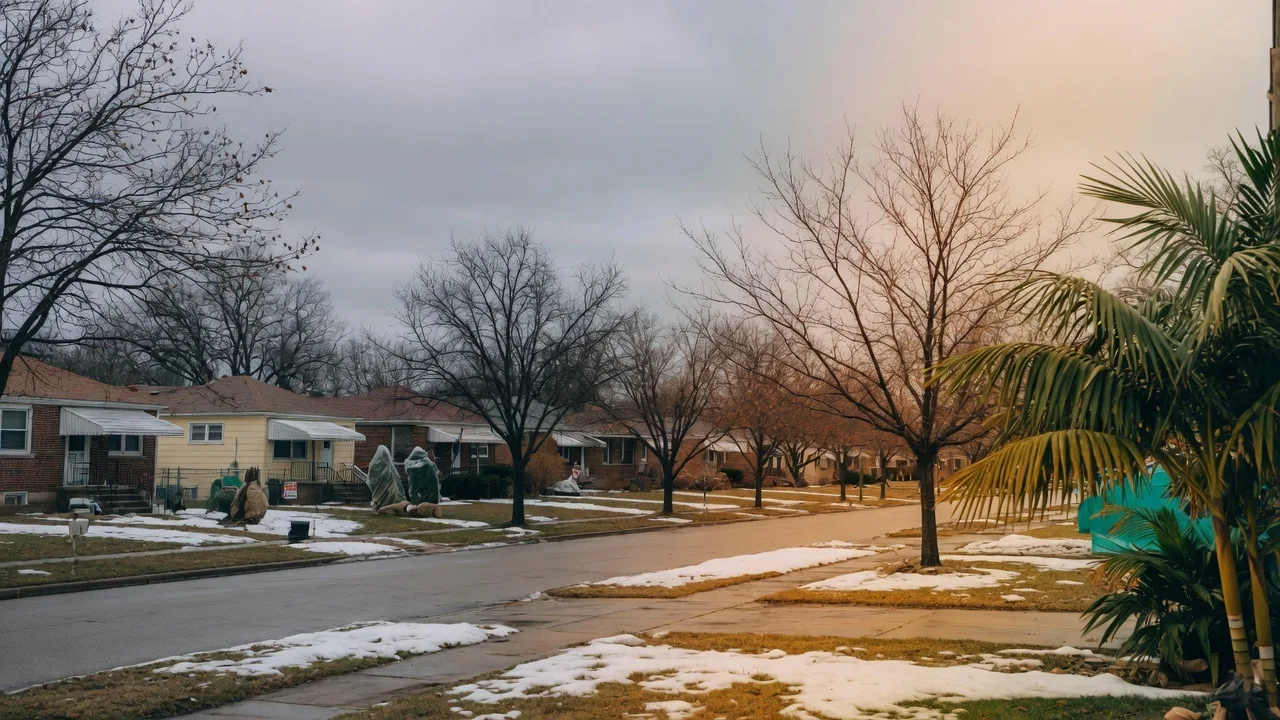
Illinois has one of the highest combined tax burdens in the country, some of the harshest winters in the Midwest, and a population that has been steadily heading south for years. The reasons are practical and personal — no state income tax, year-round warm weather, Gulf Coast beaches, and a cost of living that, when you look at the full picture, compares more favorably to Chicago and the suburbs than most people realize. Sarasota has become one of the top destinations for Illinois relocators, and if you're thinking about making the move yourself, here's what you need to know before you do.
Why are so many Illinois residents moving to Sarasota?
The financial case is the starting point for most people, but the lifestyle pull is what ultimately makes the decision. Illinois charges a flat 4.95% state income tax on all taxable income — and that's before you account for the property tax burden, which is the second-highest in the nation. The average effective property tax rate in Illinois is roughly 1.88%, and in Cook County and many suburban communities, effective rates run 2.0% to 3.5% or higher. On a $400,000 home in a Cook County suburb, that can mean $8,000 to $14,000 per year in property taxes alone.
For a household earning $150,000, the Illinois state income tax amounts to roughly $7,400 per year. When you combine that with high property taxes, winter heating costs, and the general cost of living in the Chicago metro area, the annual savings from moving to Florida are substantial — and they compound every year. See my guide to the Florida homestead exemption for how property tax relief stacks on top of the income tax savings.
Then there's the weather. Illinois winters are long, cold, and genuinely harsh. December through March in Chicago, Naperville, Schaumburg, or Rockford means freezing temperatures, ice, snow, lake-effect storms, and the seasonal fatigue that comes with months of limited sunlight. In Sarasota, those same months bring daytime highs in the low to mid-70s, sunshine, and outdoor living that feels effortless. For a complete look at what daily life costs here, see my guide to the cost of living in Sarasota.
Beyond money and weather, there's the lifestyle itself. Year-round access to Gulf Coast beaches, outdoor dining, kayaking, cycling, golf, fishing, and a cultural scene that surprises people who assume Florida is only about the beach. The Ringling Museum, Sarasota Opera, and a robust festival calendar offer more than most Illinois transplants expect.
Cost of living: Illinois vs. Sarasota
The financial comparison is more nuanced than "Florida is cheaper." Here's what I see most often when Illinois buyers run the numbers:
- State income tax: This is the biggest win. Illinois charges a flat 4.95% on all taxable income — no brackets, no deductions that change the rate. On a household earning $150,000, that translates to roughly $7,400 per year going directly to Springfield. For retirees drawing from pensions, 401(k) distributions, or investment income, this tax applies to those earnings as well. Florida has no state income tax. The savings alone are significant, and for retirement-income households, the difference compounds year after year. See my guide to the Florida homestead exemption for how property tax relief stacks on top of that.
- Home prices: The Chicago metro median home price sits around $375,000 to $410,000, with Cook County suburbs running $389,000 and higher. Sarasota County's median for single-family homes ranges from about $460,000 to $525,000, depending on the neighborhood and property type. That headline number looks higher, but the comparison changes significantly when you factor in property taxes and income taxes. And Sarasota offers options across a wide range — from the low $300,000s in North Port and Port Charlotte to well over $1 million on the barrier islands.
- Property taxes: This is where Illinois loses ground badly. Illinois has the second-highest average effective property tax rate in the nation at roughly 1.88%, and in many Cook County suburbs, effective rates range from 2.0% to 3.5%. On a $400,000 home in a typical Cook County suburb, you might pay $8,000 to $14,000 per year. In Sarasota County and Manatee County, the homestead exemption reduces your assessed value by up to $50,000, with the Save Our Homes cap limiting annual assessed-value increases to 3% or CPI. The result is meaningfully lower property taxes for permanent residents.
- Homeowners insurance: This is the cost that catches Illinois relocators off guard. Florida premiums are significantly higher than Illinois averages, driven by wind risk and the state's insurance market history. Depending on location and flood zone designation, annual premiums can range from $3,000 to $10,000 or more. I walk through these numbers in detail in my Florida homeowners insurance guide.
- Utilities: Your electric bill will be higher in Florida, primarily because of year-round air conditioning. Budget $200 to $400 per month for a typical single-family home, with the higher end during summer. Illinois heating costs in winter partially offset this, but Florida cooling is still the larger expense overall.
- Everyday expenses: Groceries, dining, and gasoline are roughly comparable between Illinois and the Sarasota area. Healthcare costs vary but are generally in line with national averages, and Sarasota has a well-developed healthcare infrastructure — Sarasota Memorial Hospital is one of the largest in the state.
The net result for most Illinois relocators is a meaningful financial improvement — the income tax savings alone are substantial, property taxes are lower for most home values, and the lifestyle you get in return makes the overall equation compelling. For a full breakdown of monthly homeownership costs beyond the mortgage, see my guide to the true monthly cost of buying a home in Florida.
Climate and lifestyle: what Illinois relocators should actually expect
If you're leaving Illinois, you already know what you're escaping — lake-effect snow off Lake Michigan, ice storms, subzero wind chills, gray skies from November through March, and the particular exhaustion of a February that just won't end. What you may not fully appreciate is what Florida weather actually feels like year-round.
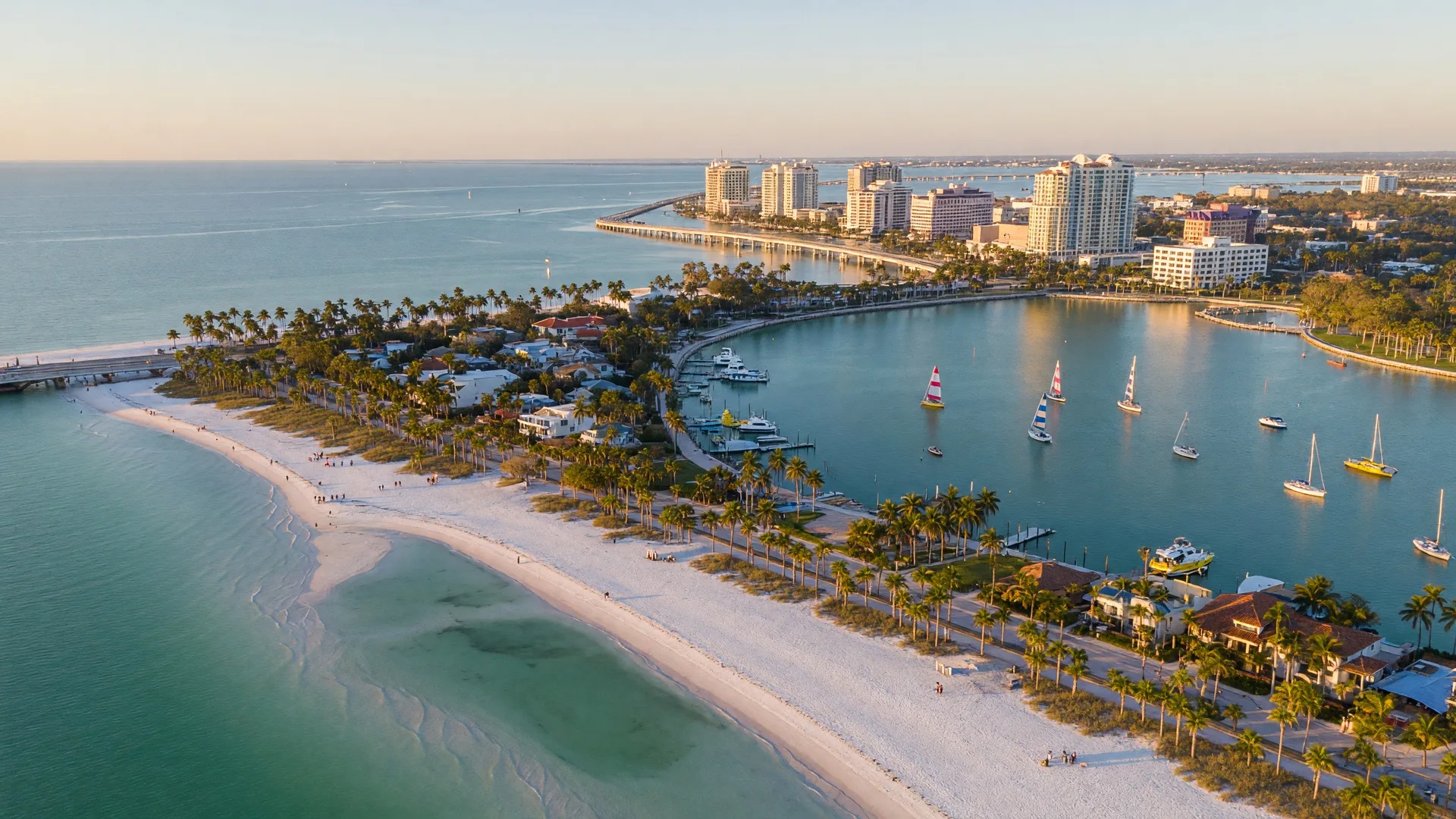
Winter (December through February): This is Sarasota at its best. Daytime highs in the low to mid-70s, cool evenings, low humidity, and virtually no reason to own a heavy coat. You'll spend more time outdoors than you ever did in an Illinois February. It's the season that makes people say, "I should have done this years ago."
Spring (March through May): Warm, increasingly humid, and genuinely beautiful. Temperatures climb into the 80s, the days are long, and outdoor activities — kayaking, cycling, beach days — are effortless. This is peak season in Sarasota, and the energy in the area is lively.
Summer (June through September): This is the adjustment period for most Illinois relocators. It's hot, it's humid, and temperatures regularly reach the mid-90s. Daily afternoon thunderstorms are a fact of life — they typically arrive between 2 and 5 PM, last 30 to 60 minutes, and then clear. You'll run your air conditioning constantly, plan outdoor activities for mornings or evenings, and learn to check the radar before heading to the beach. Most people adapt within their first summer, but it's worth knowing before you arrive that this isn't a year-round paradise climate — it's a subtropical climate with a real summer.
Fall (October through November): The transition back to comfortable weather. Humidity drops, temperatures ease into the low 80s, and the area starts coming alive with seasonal events. This is often when new residents feel the most settled.
Hurricane preparation: The Sarasota area is in a hurricane zone, and while direct hits are infrequent, preparation is part of living here. Budget for storm shutters or impact windows, understand your insurance coverage thoroughly, and have a plan in place before June arrives each year. For a detailed look at insurance costs, see my Florida homeowners insurance guide.
The lifestyle shift matters just as much as the weather. In Illinois, outdoor life largely shuts down from November through March. In Sarasota, those are the months when life is at its most active — beach days, fishing, golf, outdoor dining, farmers markets, and community events happen year-round. The shift from hibernating through winter to living outdoors through it changes more than your calendar. It changes your energy, your mood, and how you spend your time.
Sarasota real estate market: what Illinois buyers can expect
The Sarasota-area real estate market has stabilized after the sharp appreciation of 2021 and 2022. Homes are still selling, but buyers have more leverage than they did a few years ago. Here's what Illinois buyers should know:
- Median prices in Sarasota County range from about $460,000 to $525,000 for single-family homes, with condos trading around $385,000. Prices vary significantly by neighborhood — North Port and Port Charlotte offer entry points in the low $300,000s, while barrier island properties regularly exceed $1 million.
- Inventory has increased compared to the tight market of 2021–2022, giving buyers more options and more negotiating room. Homes that are priced correctly and in good condition still move quickly, but overpriced listings are sitting longer.
- Interest rates remain a factor. The monthly payment on a $400,000 mortgage at current rates is higher than it would have been two years ago, which affects what you can afford. Running the full monthly cost picture — not just the mortgage — is essential. See my guide to the true monthly cost of buying a home in Florida.
- New construction is an option. Communities like Wellen Park, North River Ranch, and Lakewood Ranch South offer new homes with modern construction standards, better energy efficiency, and builder incentives that reduce your upfront costs. See my guide to new construction in the area.
- The condo market offers alternatives. Sarasota's condo market ranges from older, more affordable buildings in the $200,000s to luxury waterfront units exceeding $2 million. Post-Surfside legislation has increased reserve funding requirements for condominiums, which affects fees and special assessments — I help clients review association financials carefully before they commit.
For a current market snapshot, see my Sarasota real estate market update.
Best neighborhoods for Illinois transplants
Having helped many Illinois families make this move, I see certain patterns in where people end up. The right neighborhood depends on your priorities — budget, lifestyle, proximity to beaches, and whether you prefer new construction or established communities. Here are the areas I see Illinois buyers gravitate toward most often:
- Lakewood Ranch: The most popular destination for Illinois families and active adults who want a master-planned community with excellent amenities — golf, tennis, swimming, social clubs, and a well-maintained environment. The structured community life makes building a new social network easier, which matters when you've left a lifetime of connections in Illinois. See my full Lakewood Ranch vs. Sarasota comparison.
- Venice and South Venice: Popular with retirees and empty nesters who want a quieter coastal pace, a walkable historic downtown, and access to some of the area's best beaches. Venice offers genuine value relative to Sarasota proper, with an aging-in-place appeal that Illinois downsizers appreciate. See my guide to living in Venice.
- Bradenton: A strong fit for buyers who want proximity to Tampa, growing retail and dining options, and a range of housing from established neighborhoods to newer construction. Bradenton's downtown waterfront along the Manatee River has transformed in recent years. See my guide to living in Bradenton.
- Longboat Key: For Illinois buyers seeking luxury waterfront living, Longboat Key offers beachfront condos, single-family homes, and a resort lifestyle on a barrier island between Sarasota and Bradenton. It's a higher price point — typically $700,000 to several million — but the access to Gulf beaches and the Sarasota cultural scene is unmatched. See my comparison of Longboat Key vs. Siesta Key vs. Anna Maria Island.
- North Port and Port Charlotte: The most affordable entry points in the Sarasota-to-Charlotte corridor. Illinois buyers on a tighter budget or looking for space to grow find real value here, particularly in newer communities like Wellen Park. See my guide to living in North Port.
- Sarasota proper — The Meadows, Gulf Gate, Palmer Ranch: Established neighborhoods with mature landscaping, good access to downtown Sarasota, and a mix of single-family homes and maintenance-free options. These areas appeal to buyers who want character and convenience over new construction.
For a complete overview of all the communities in the area, browse my neighborhood guides. And if you're considering a 55-plus community specifically, see my guide to active adult communities in Sarasota, Manatee, and Charlotte Counties.
What you'll miss and what you won't
Leaving Illinois is a significant transition, and honesty about what changes helps you prepare for it. Here's what I hear from Illinois transplants most often:
What you'll miss:
- Deep dish pizza and Italian beef. There is no substitute in Florida. You'll find good restaurants, but the specific flavors of Lou Malnati's, Portillo's, or Al's Italian Beef don't translate to the Gulf Coast. Some transplants order frozen deep dish to be shipped down. It's not the same, but it helps.
- Bears, Cubs, Bulls, and Blackhawks games. You'll still watch them on TV, but the bar culture around Chicago sports — the packed sports bars on a Sunday, the Wrigleyville energy — doesn't have an equivalent here. Sarasota has local sports culture, but it's not the same tribal intensity.
- Seasonal changes. Some Illinois transplants genuinely miss the first signs of spring, the colors of fall, and the specific rhythm of four distinct seasons. Florida has seasons, but they're subtle — marked by temperature and humidity changes, not by leaves turning orange.
- Family and friends nearby. This is the real one. Leaving a network built over decades — the friends, the familiar routines, the doctor you've seen for twenty years — is a significant life transition. It's normal to feel grief and second thoughts even when the move is something you've wanted for years.
- The food scene. Chicago's food scene is world-class, and Sarasota's — while good — is smaller. You'll find excellent restaurants, but the sheer density and variety of Chicago dining doesn't exist here.
What you won't miss:
- The 4.95% state income tax. This one disappears the day you establish Florida residency. On retirement income, pensions, or investment gains, the annual savings are immediate and permanent.
- Illinois property taxes. The second-highest in the nation. If you've been paying $10,000 to $14,000 per year on a suburban Cook County home, the relief in Florida is real.
- Shoveling snow and scraping ice. The morning ritual of clearing your driveway in January will be replaced by a walk on the beach. That trade gets easier every day.
- Subzero wind chills and lake-effect storms. The particular misery of a polar vortex or a lake-effect snow warning will become a story you tell your Florida neighbors, not a weather forecast you live through.
- Illinois license plate renewal and emissions testing. Florida's vehicle requirements are simpler and less frequent.
- Gulf Coast beaches, year-round fishing, and golf in January. These become your everyday life, not a vacation you take once a year. Siesta Key, Lido Key, Anna Maria Island, and Longboat Key are all within a short drive.
Practical relocation tips for Illinois residents
The logistics of a long-distance move from Illinois to Florida involve more than just packing boxes. Here are the practical details that matter most:
- Best time to move: Most Illinois relocators aim for late fall or early winter — October through December — to avoid the Florida summer heat and coincide with the start of the Sarasota season. This timing also aligns well with listing and selling an Illinois home in the fall market. That said, homes in Sarasota are available year-round, and the best time depends on your personal timeline.
- Florida driver's license: You're required to obtain a Florida driver's license within 30 days of establishing residency. Visit your local Florida DHSMV office with your current Illinois license, proof of identity, proof of Social Security number, and two proofs of Florida residency. The process is straightforward but plan for a wait.
- Vehicle registration: Florida requires you to register your vehicle within 10 days of establishing residency or starting employment in the state. You'll need a Florida insurance policy in place before you can register, so get the insurance set up first. A VIN verification may be required for out-of-state vehicles.
- The homestead exemption: If you're making Florida your primary residence, filing for the homestead exemption provides meaningful property tax relief and asset protection. You must occupy the property as your primary residence by January 1 of the tax year, and you need to file by March 1. Understanding the eligibility requirements and timeline matters — especially if you're buying before selling your Illinois home. See my homestead exemption guide for the details.
- Transferring medical records: Start this process early. Contact your Illinois healthcare providers, request records transfers, and begin establishing care with new providers in Florida. Sarasota has a strong healthcare infrastructure — Sarasota Memorial Hospital is one of the largest in the state — and the specialist network is well-developed.
- Updating your address: File a change of address with USPS, update your address with banks, insurance providers, Social Security, Medicare (if applicable), investment accounts, subscriptions, and any professional licensing boards. This takes longer than most people expect — start the process as soon as your move date is confirmed.
- Choosing a moving company: Get quotes from at least three licensed and insured long-distance movers. The distance from most Illinois cities to Sarasota is roughly 1,100 to 1,400 miles, and a full-service move typically costs between $4,000 and $10,000 depending on the size of the move and the time of year. Book early, especially if you're moving during the popular October–December window.
- Selling your Illinois home: Pricing accurately from day one matters more than ever. The first 7 to 10 days on market determine how your home is perceived. In the Chicago suburban market, homes that are well-priced and well-prepared are still selling, but overpriced listings sit. See my guide to pricing your home right from day one.
Common mistakes Illinois buyers make when purchasing in Florida
Having helped many Illinois buyers purchase homes in the Sarasota area, I see the same mistakes repeatedly. Avoiding them saves time, money, and stress:
- Buying based on a single visit during peak season. Visiting Sarasota in February and deciding to buy is like judging Illinois by a perfect July weekend on Lake Michigan. You need to understand what July actually feels like here, what the summer thunderstorms are like, and how the area changes between high season and the quieter months.
- Ignoring flood zone designations. A beautiful waterfront home can come with flood insurance requirements that add $3,000 to $8,000 or more to your annual costs. Check the flood zone before you get attached to a property.
- Underestimating homeowners insurance costs. Florida's insurance market is unlike anything in Illinois. Older roofs, certain construction types, and proximity to the coast all affect premiums and eligibility. Start the insurance conversation early.
- Not understanding HOA and condo association finances. Post-Surfside legislation has increased reserve funding requirements for Florida condominiums. Special assessments can be substantial. I help clients review association financials carefully before they commit.
- Rushing the neighborhood decision. Sarasota, Manatee, and Charlotte Counties contain hundreds of distinct communities, each with a different character, price point, and lifestyle. Choosing based on a friend's recommendation or a single drive-through means you might miss the community that actually fits your life.
What should the timeline look like?
The clients who do this well typically follow a general sequence:
- 6 to 12 months before the move: Research communities, visit the area for extended stays (not just a vacation), and establish a relationship with a local REALTOR who knows the market. If you're selling an Illinois home, get a preliminary valuation so you know where you stand financially.
- 3 to 6 months before: Begin the home search in earnest. If you're selling your Illinois home, list it and coordinate timing with your Florida purchase. This is the phase where having a clear plan — and someone who can walk you through each step — makes the biggest difference.
- 1 to 3 months before: Finalize the purchase, arrange movers, and begin the practical transition — transferring medical records, updating your driver's license, understanding the homestead exemption process, and setting up Florida insurance.
- After the move: Set up your new home, establish your healthcare providers, and start exploring your community. The first few months are about settling in, not rushing to see everything. For a look at what daily life looks like here, see my retiree's guide to the Sarasota lifestyle.
Frequently asked questions
Do Illinois residents pay state income tax after moving to Florida?
How much does it cost to buy a home in Sarasota compared to Chicago?
What is the best time of year to move from Illinois to Florida?
How do I sell my Illinois home while buying in Sarasota?
What neighborhoods in Sarasota are most popular with Illinois transplants?
How does Florida homeowners insurance compare to Illinois?
Why are Illinois residents moving to Sarasota in such large numbers?
Thinking about making the move from Illinois?
Whether you're six months out or just starting to explore the idea, I'd be glad to walk you through what the transition actually involves — the neighborhoods, the costs, and the details that matter most for your situation. I've helped many Illinois families make this move, and the process goes better when it's methodical, not rushed.
The conversation starts the same way it always does — with your priorities, your timeline, and an honest look at what the move actually involves. I'm your realtor with a heart to serve. Let's chat about real estate.
For answers to common buyer questions, see my Buying FAQ. For selling questions, see my Selling FAQ. And if you're ready to talk through the details, contact me directly — I'm here to help.
Ready to explore the move from Illinois to Sarasota?
Whether you're six months out or just starting to think about it, I'd be glad to walk you through what the transition actually involves — the neighborhoods, the costs, and the details that matter most for your situation.
Kim Donahue, REALTOR® · Medway Realty · (941) 724-2587